Get Poison Ivy Removal in Burlington County, NJ
Local contractors in Burlington County, NJ, can safely remove poison ivy from yards, fences, and landscaping to prevent skin irritation and property damage.
Property owners in Burlington County, NJ, who are dealing with the presence of poison ivy often seek professional removal services to ensure safety and prevent further growth. Poison ivy can pose health risks and may cause skin irritation, making it important to address the issue promptly and effectively. Exploring local contractors who specialize in plant removal can help property owners develop a practical plan to manage and eliminate this troublesome plant, whether it’s in yards, gardens, or outdoor recreational areas.
By comparing options among nearby service providers, property owners can find the right solutions tailored to their specific needs. Local contractors understand the unique landscape of Burlington County and can offer guidance on safe and thorough removal methods. Continuing to read can provide helpful information on how to connect with experienced professionals who can assist in creating a safe and well-maintained outdoor environment.
- Poison Ivy Removal - needed when ivy has overtaken a yard or grown onto structures, posing risks to residents.
- Poison Ivy Treatment - required if plants are causing skin irritation or allergic reactions for homeowners or visitors.
- Poison Ivy Clearing - necessary for property owners preparing for landscaping or outdoor events in neighborhoods around Burlington County.
- Poison Ivy Control - sought when invasive ivy threatens to spread across large areas or into neighboring properties.
- Poison Ivy Eradication - appropriate for those wanting to eliminate persistent ivy growth from trees, fences, or garden beds.
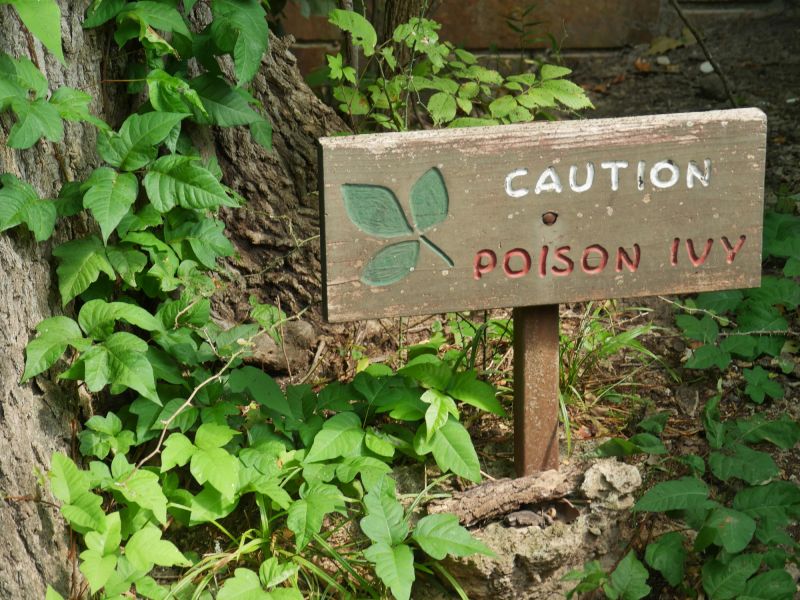
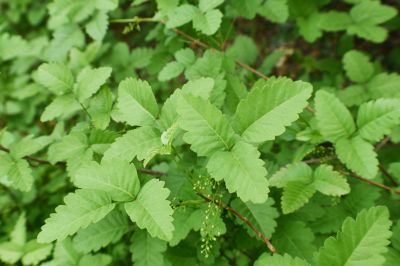
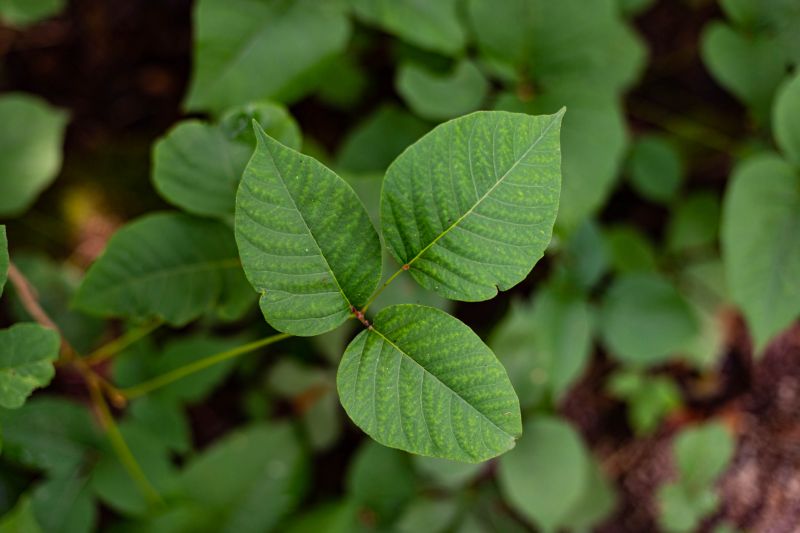
Poison ivy removal services involve identifying and safely eliminating the presence of this invasive plant from residential properties. Skilled contractors use specialized techniques to carefully remove poison ivy vines, roots, and surrounding plants to prevent regrowth. The process typically includes thorough inspections of yards, gardens, and wooded areas to locate all traces of the plant, ensuring that it is fully eradicated and reducing the risk of accidental contact. Proper removal is essential to protect homeowners and their families from the skin irritation and allergic reactions caused by exposure to poison ivy.
This service helps resolve common problems associated with poison ivy growth, such as skin rashes, allergic reactions, and the potential for spreading to other parts of the property. Overgrown poison ivy can also threaten the safety of outdoor spaces by making walking paths or recreational areas hazardous. Additionally, unchecked plants can damage landscaping, structures, or trees by climbing and rooting into surfaces. Removing poison ivy not only enhances the safety of outdoor environments but also helps maintain the aesthetic appeal and health of a property’s landscape.
Properties that typically benefit from poison ivy removal include residential yards, suburban gardens, and properties with wooded or overgrown areas. Homes with children or pets are especially vulnerable to accidental contact, making prompt removal important. Commercial properties, parks, and community spaces may also require professional removal to ensure safety and compliance with local regulations. In areas where poison ivy has become invasive or difficult to control, experienced service providers can implement effective strategies to manage and eliminate the plant, helping property owners restore safe and enjoyable outdoor spaces.
When considering poison ivy removal, property owners should look for local contractors with experience in handling invasive plants and landscape safety. These professionals can assess the extent of the growth, recommend appropriate removal methods, and ensure that the plant is completely eradicated. By working with qualified service providers, property owners can address poison ivy problems efficiently and safely, making outdoor areas safer for everyone. Contacting local experts ensures that the job is done correctly, reducing the chances of regrowth and ongoing issues related to poison ivy.
The overview below groups typical Poison Ivy Removal projects into broad ranges so you can see how smaller, mid-sized, and larger jobs often compare in Burlington County, NJ.
In many markets, a large share of routine jobs stays in the lower and middle ranges, while only a smaller percentage of projects moves into the highest bands when the work is more complex or site conditions are harder than average.
Smaller Jobs - Many Poison Ivy removal projects for residential properties typically range from $250 to $600. These involve clearing ivy from a few small areas or individual plants and are common for routine maintenance. Most local contractors handle projects within this price band.
Medium-Sized Projects - Larger, more extensive ivy removal jobs, such as clearing multiple areas or larger sections of a yard, often cost between $600 and $1,500. These projects are frequent for homeowners seeking comprehensive removal and cleanup services.
Commercial or Extensive Jobs - For larger commercial properties or heavily infested landscapes, costs can range from $1,500 to $3,500. Fewer projects reach this level, but they are typical for property managers or businesses needing significant ivy removal.
Full Removal and Site Restoration - Complete removal, including root extraction and site restoration, can exceed $3,500 and reach $5,000 or more for very large or complex projects. These are less common but are performed by contractors handling extensive or high-priority jobs.
Actual totals will depend on details like access to the work area, the scope of the project, and the materials selected, so use these as general starting points rather than exact figures.
Brush Clearing and Thistle Removal - these projects involve removing dense brush, thistles, and invasive plants, requiring similar pruning, cutting tools, and planning as poison ivy removal.
Tree and Shrub Trimming - trimming overgrown branches and shrubs demands knowledge of plant growth and the use of pruning tools, comparable to managing vine and ivy control.
Fence and Property Line Clearing - clearing overgrown vegetation along fences or property boundaries involves similar site preparation and vegetation management skills as poison ivy removal.
Landscape Maintenance and Cleanup - maintaining yards and removing unwanted plants involves planning, plant identification, and the use of hand tools, paralleling ivy removal techniques.
Stump and Root Removal - removing tree stumps and roots requires excavation tools and planning, similar to handling root systems of invasive plants like poison ivy.
Wildlife Habitat Restoration - clearing invasive plants to restore native habitats involves vegetation management skills akin to poison ivy eradication efforts.
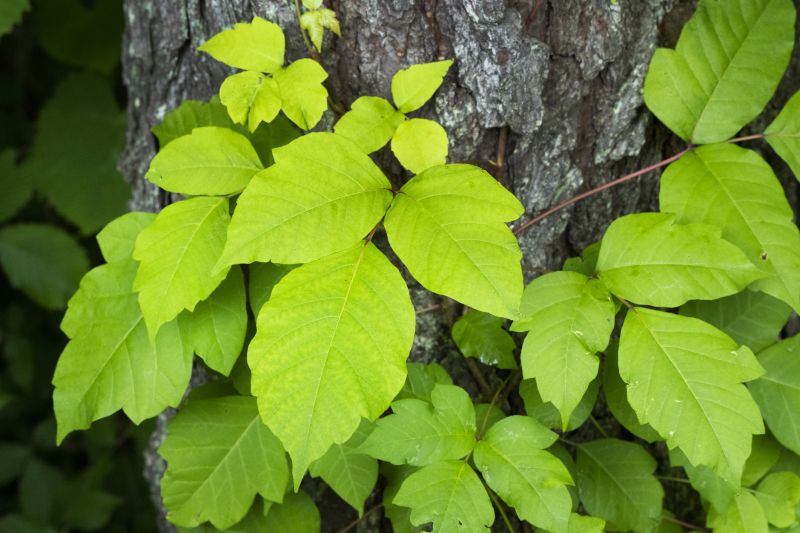
When comparing service providers for Poison Ivy removal, it’s important to consider their experience with similar projects. Homeowners should look for local contractors who have a proven track record of successfully handling plant removal jobs comparable in scope and complexity. Asking about how long a provider has been performing this type of work, or requesting examples of past projects, can provide insight into their familiarity with the specific challenges posed by Poison Ivy. An experienced professional is more likely to understand the best methods for complete removal and to anticipate potential issues that may arise during the process.
Clear written expectations are essential when evaluating local contractors for Poison Ivy removal. Homeowners should seek providers who can offer detailed descriptions of their services, including the scope of work, methods used, and any necessary follow-up steps. Having this information in writing helps ensure there are no misunderstandings about what will be done and provides a basis for comparing different options. Reputable service providers will be transparent about their approach and willing to communicate these details upfront, allowing homeowners to make informed decisions based on clear, consistent information.
Good communication and reputable references are key factors in choosing a reliable local contractor. Homeowners are encouraged to ask for references from previous clients who had similar Poison Ivy removal work completed. Speaking with past customers can reveal insights about the contractor’s professionalism, responsiveness, and quality of work. Additionally, a contractor’s willingness to answer questions thoroughly and maintain open lines of communication throughout the project indicates a commitment to customer service. While the site introduces homeowners to local options, it’s important to remember that the actual work is performed by trusted service providers who can handle the job professionally and effectively.
Property owners in Burlington County, NJ use Poison Ivy Removal services for practical projects around their homes and businesses. This guide focuses on everyday jobs and straightforward project options.
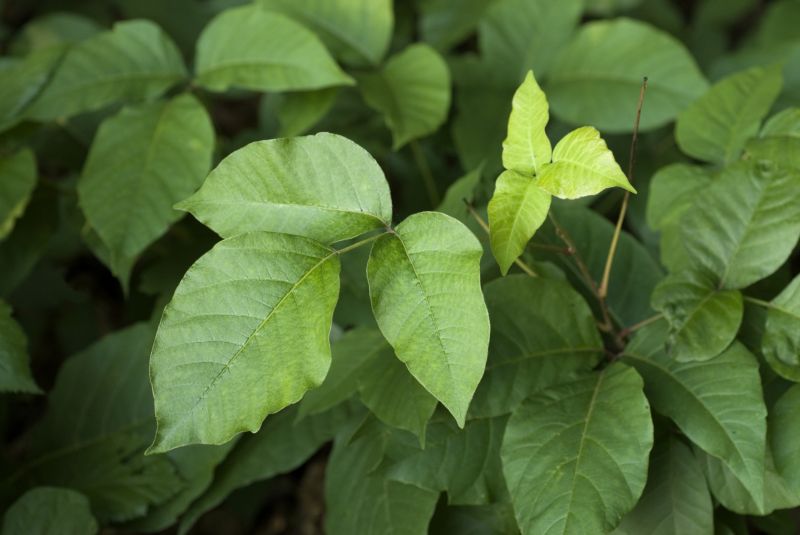
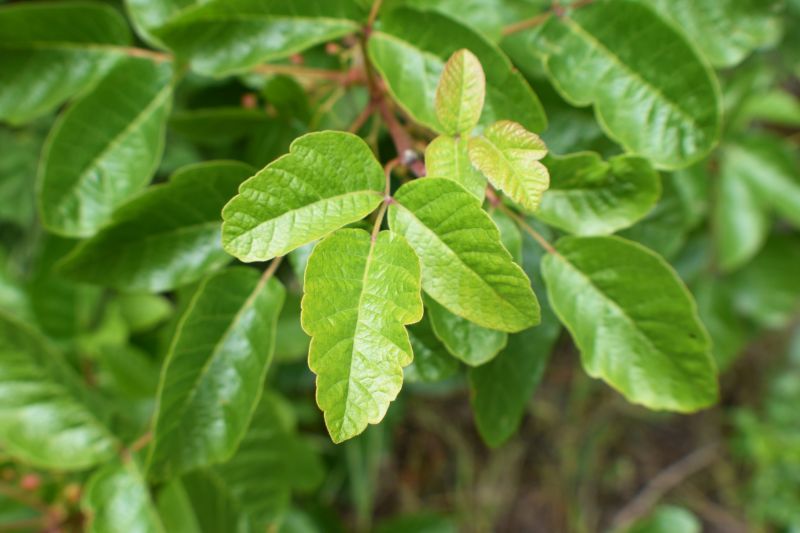
Poison ivy can quickly become a concern for property owners in Burlington County, NJ, especially when it starts to spread across lawns, fences, or garden beds. Homeowners and landowners often seek professional removal services to prevent accidental contact that can cause skin irritation or allergic reactions. Additionally, overgrown patches of poison ivy can detract from the appearance of outdoor spaces and pose a risk to children, pets, and visitors exploring the property.
In many cases, property owners turn to local contractors to safely and effectively remove poison ivy from difficult-to-reach areas, such as along wooded edges, steep slopes, or near structures. Whether clearing a backyard for outdoor activities or maintaining a safe perimeter around a property, these service providers can help manage the growth and ensure the area remains safe and visually appealing. Connecting with experienced local contractors can make the process straightforward and ensure the job is handled properly.
What are effective methods for poison ivy removal? Local contractors often use a combination of manual removal, herbicides, and protective gear to safely eliminate poison ivy from properties.
Can poison ivy be removed without damaging surrounding plants? Yes, experienced service providers can carefully target poison ivy to minimize impact on nearby vegetation during removal.
What should I do if I suspect poison ivy on my property? Contact local service providers who can identify and safely remove poison ivy to prevent skin irritation and other health issues.
Are there environmentally safe options for poison ivy removal? Many local contractors offer eco-friendly removal methods that effectively eliminate poison ivy while reducing chemical use.
How do professionals handle poison ivy in hard-to-reach areas? Service providers use specialized tools and techniques to access and remove poison ivy from difficult or confined spaces safely.
Preventing Property Damage - Removing poison ivy can protect siding, decks, and outdoor furniture from stains and deterioration caused by plant contact.
Creating Safe Play Areas - Clearing poison ivy from yards ensures children and pets can enjoy outdoor spaces without the risk of skin irritation or allergic reactions.
Enhancing Curb Appeal - Removing invasive poison ivy helps maintain a neat, attractive landscape that boosts the overall appearance of a property.
Managing Overgrowth - Trimming or removing poison ivy from overgrown areas can improve visibility and accessibility around the property.
If you are thinking about Poison Ivy Removal for a property in Burlington County, NJ, this guide is meant to help you understand the work, the typical project types, and how different options might fit your plans.
When you are ready, you can use the quote form on this page to share a few details about your project. From there, local pros can review the basics and respond with options that match what you have in mind.