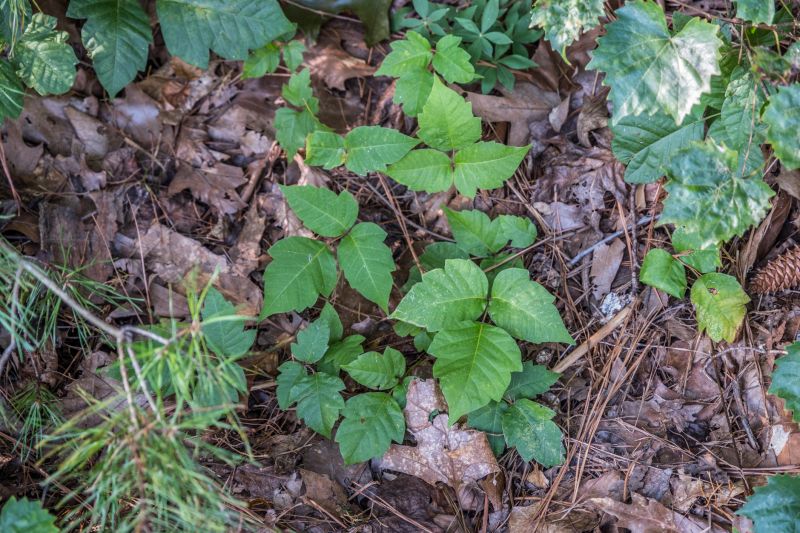
Poison Oak Removal in Delaware County, PA
Poison oak removal services are designed to safely eliminate this hazardous plant from residential properties, helping homeowners maintain a safe and healthy outdoor environment. These services typically cover projects such as clearing poison oak from yards, gardens, and landscaped areas, especially in regions where the plant is prevalent. Property owners often seek removal when poison oak poses a risk to children, pets, or anyone with sensitive skin, or when the plant has begun to spread and impact the usability of outdoor spaces.
Before requesting poison oak removal, property owners usually want to understand the extent of the infestation, including the size of the affected area and the density of the plants. It’s also helpful to know about the best methods for removal and whether follow-up treatments might be necessary to prevent regrowth. Clear communication about the property’s landscape and any specific concerns can ensure the removal process is effective and minimizes the risk of exposure to the irritant oils found in poison oak.
Many property owners in Delaware County, PA look into Poison Oak Removal for repairs, replacements, upgrades, and appearance-related improvements.
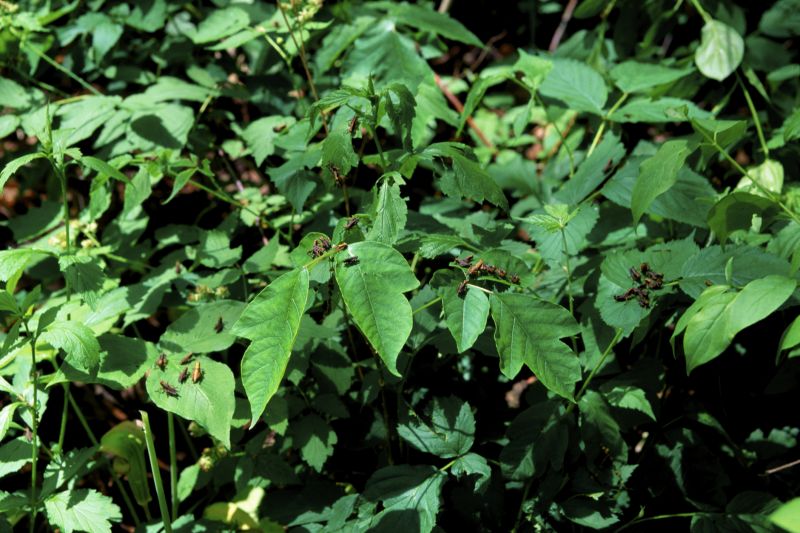
Poison Oak Removal Services
Examples of poison oak removal work property owners may explore in delaware county, pa.
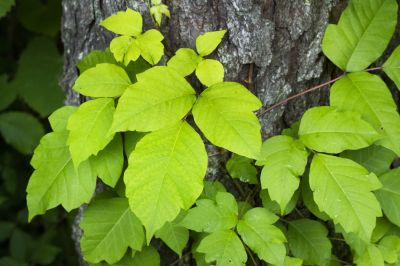
Poison Oak Removal Updates
Common ways people refresh, improve, or restore poison oak removal features in delaware county, pa.
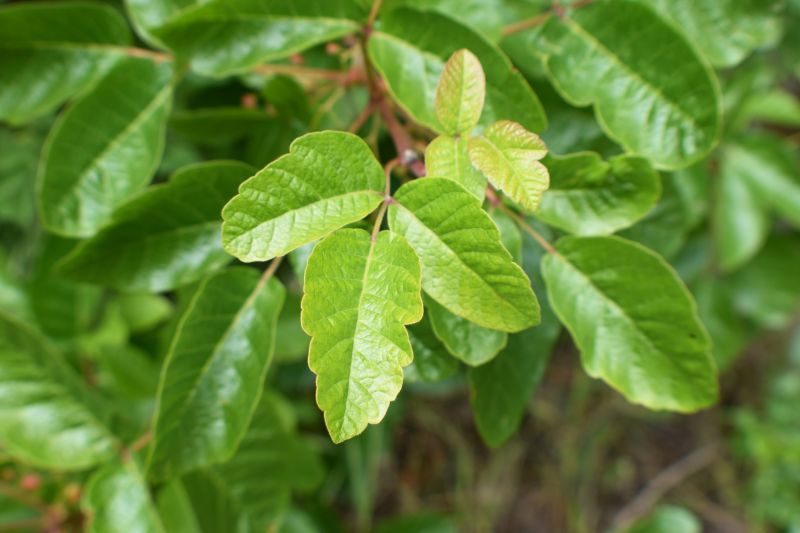
Poison Oak Removal Options
Different styles, layouts, and finishes people consider for poison oak removal in delaware county, pa.
Poison Oak Removal in Delaware County, PA

Poison oak removal services are designed to safely eliminate this hazardous plant from residential properties, helping homeowners maintain a safe and healthy outdoor environment. These services typically cover projects such as clearing poison oak from yards, gardens, and landscaped areas, especially in regions where the plant is prevalent. Property owners often seek removal when poison oak poses a risk to children, pets, or anyone with sensitive skin, or when the plant has begun to spread and impact the usability of outdoor spaces.
Before requesting poison oak removal, property owners usually want to understand the extent of the infestation, including the size of the affected area and the density of the plants. It’s also helpful to know about the best methods for removal and whether follow-up treatments might be necessary to prevent regrowth. Clear communication about the property’s landscape and any specific concerns can ensure the removal process is effective and minimizes the risk of exposure to the irritant oils found in poison oak.
Many property owners in Delaware County, PA look into Poison Oak Removal for repairs, replacements, upgrades, and appearance-related improvements.
Common Poison Oak Removal Jobs
Poison Oak Removal - safe clearing of poison oak from yards and landscapes.
Yard Clearing - removal of poison oak to promote a safe outdoor environment.
Landscape Maintenance - integrated poison oak control within regular property upkeep.
Brush and Shrub Removal - targeted removal of poison oak from overgrown areas.
Property Cleanup - thorough removal of poison oak for a clean, hazard-free yard.
Vegetation Control - management of invasive plants including poison oak to protect property.
Poison Oak Removal Questions
What is poison oak removal? Poison oak removal involves safely eliminating the plant from a property to prevent skin irritation and health risks.
When should poison oak be removed? Removal is recommended when poison oak is growing in high-traffic areas or near outdoor spaces used frequently.
How is poison oak removed? The process typically includes careful cutting, herbicide application, and disposal to ensure complete eradication.
Is professional poison oak removal necessary? Professional removal helps ensure safe and effective elimination, especially in hard-to-reach or extensive growth areas.
Request Poison Oak Removal in Delaware County, PA
Use the quote form on this page to share the basics of your project and request more information for the type of work you need.