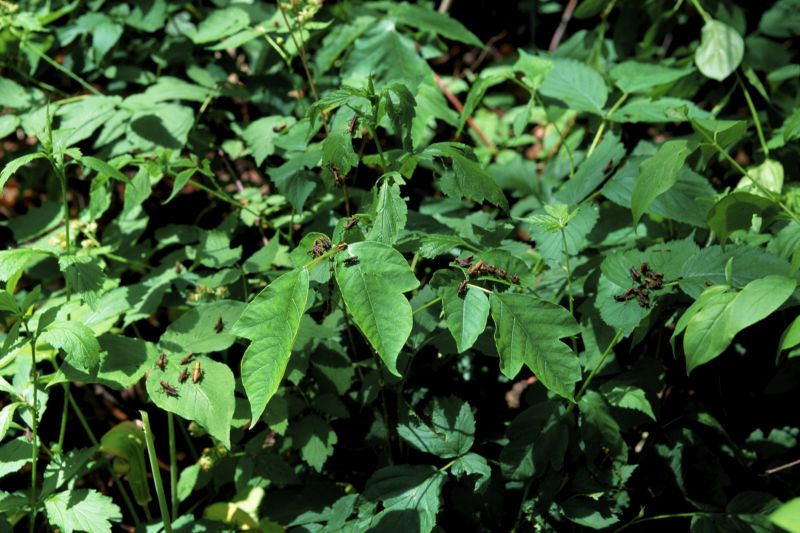
Poison Oak Removal in Lancaster County, PA
Poison oak removal services focus on safely eliminating this hazardous plant from residential properties. These services are suitable for a variety of projects, including clearing overgrown areas, maintaining landscaped yards, or preparing outdoor spaces for recreation and gardening. Property owners typically seek professional assistance to ensure thorough removal, especially in areas where poison oak has spread extensively or is difficult to identify and eradicate on their own. Proper removal helps prevent skin irritation and allergic reactions for residents and visitors, making outdoor environments safer and more enjoyable.
Before requesting poison oak removal, property owners usually want to understand the scope of the work involved, including the methods used to safely identify and remove the plant, as well as any follow-up maintenance recommendations. Clarifying whether the service includes disposal or ongoing control can help ensure the project meets safety and aesthetic goals. Additionally, understanding the extent of the infestation and the accessibility of affected areas can assist in planning the most effective and efficient removal process.
Many property owners in Lancaster County, PA look into Poison Oak Removal for repairs, replacements, upgrades, and appearance-related improvements.
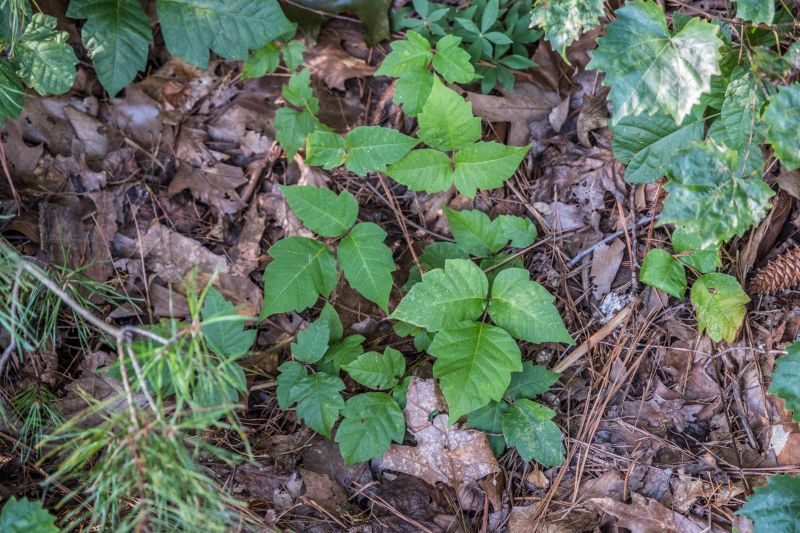
Understanding Poison Oak Risks
Poison oak can cause skin irritation and allergic reactions if touched or brushed against.
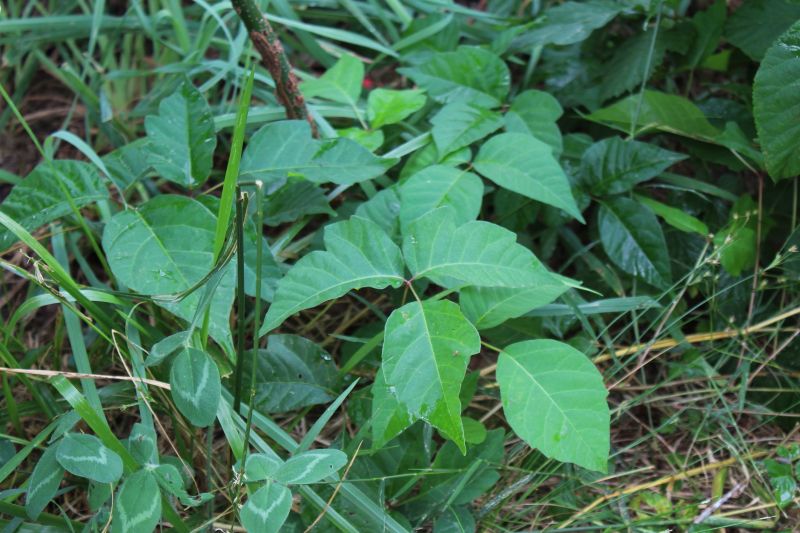
Benefits Of Professional Removal
Professional removal helps ensure safe and thorough clearing of poison oak from residential and commercial properties.
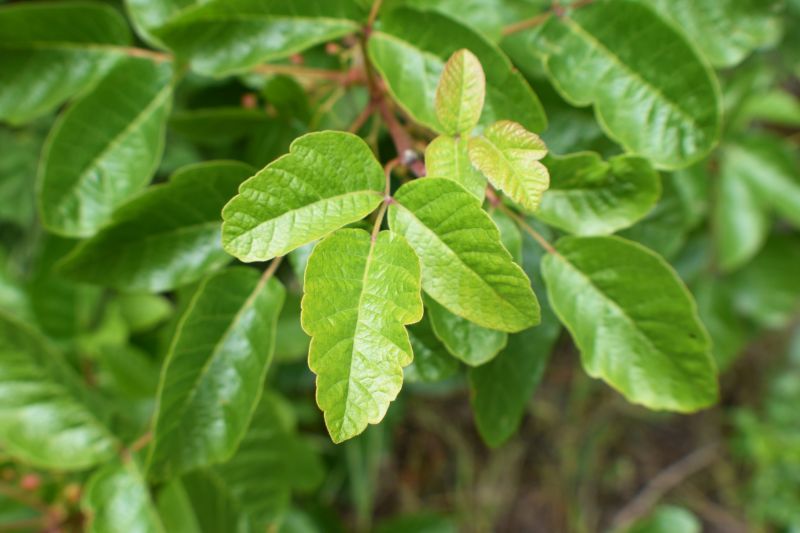
Common Removal Projects
Services often include clearing poison oak from yards, trails, and landscaped areas in lancaster county and nearby communities.
Poison Oak Removal in Lancaster County, PA
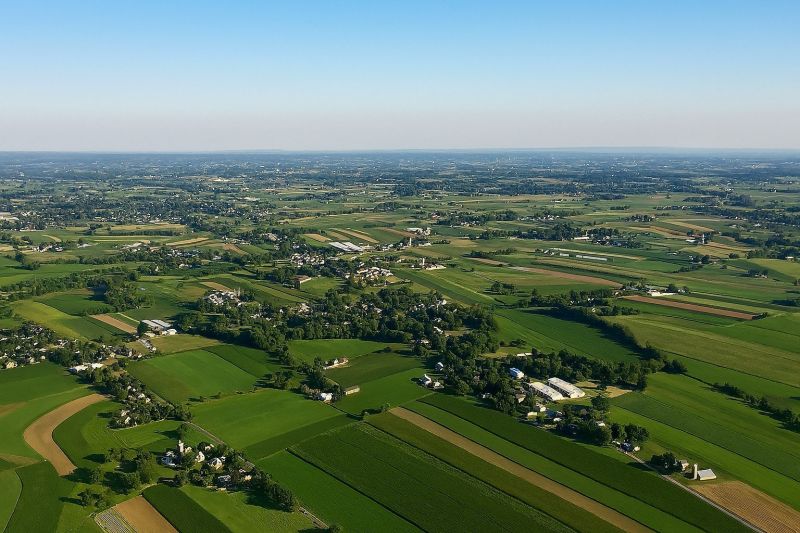
Poison oak removal services focus on safely eliminating this hazardous plant from residential properties. These services are suitable for a variety of projects, including clearing overgrown areas, maintaining landscaped yards, or preparing outdoor spaces for recreation and gardening. Property owners typically seek professional assistance to ensure thorough removal, especially in areas where poison oak has spread extensively or is difficult to identify and eradicate on their own. Proper removal helps prevent skin irritation and allergic reactions for residents and visitors, making outdoor environments safer and more enjoyable.
Before requesting poison oak removal, property owners usually want to understand the scope of the work involved, including the methods used to safely identify and remove the plant, as well as any follow-up maintenance recommendations. Clarifying whether the service includes disposal or ongoing control can help ensure the project meets safety and aesthetic goals. Additionally, understanding the extent of the infestation and the accessibility of affected areas can assist in planning the most effective and efficient removal process.
Many property owners in Lancaster County, PA look into Poison Oak Removal for repairs, replacements, upgrades, and appearance-related improvements.
Common Poison Oak Removal Jobs
Poison Oak Removal - Safely eliminates poison oak from yards and outdoor spaces.
Yard Clearing - Clears overgrown areas affected by poison oak growth.
Property Maintenance - Maintains landscape health by removing invasive plants like poison oak.
Brush and Shrub Removal - Removes poison oak from shrubs and dense brush areas.
Vegetation Control - Controls and prevents poison oak from spreading on the property.
Landscaping Cleanup - Restores yard appearance after poison oak removal efforts.

Poison Oak Removal Questions
What is poison oak removal? Poison oak removal involves safely eliminating the plant from a property to prevent skin irritation and other health issues.
Why is professional removal recommended? Professionals use proper techniques and safety equipment to effectively remove poison oak without spreading the plant or risking exposure.
What types of projects require poison oak removal? Projects often include clearing overgrown areas, preparing land for development, or maintaining trails and landscaping.
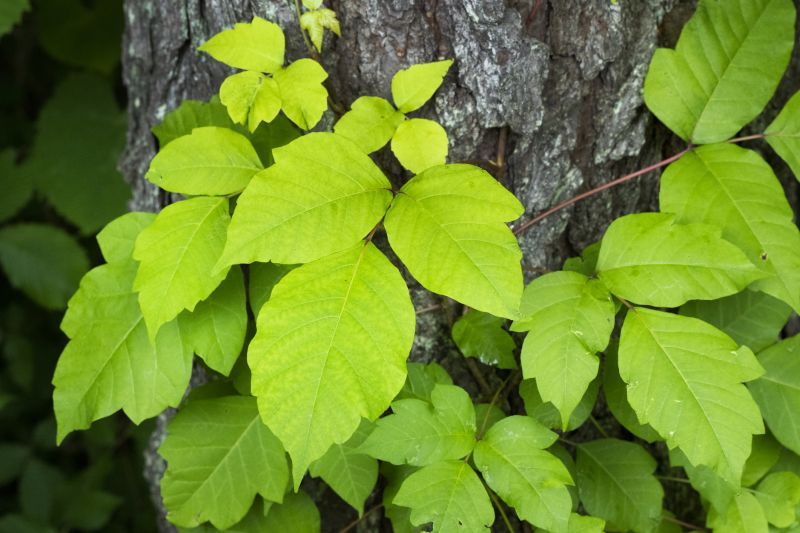
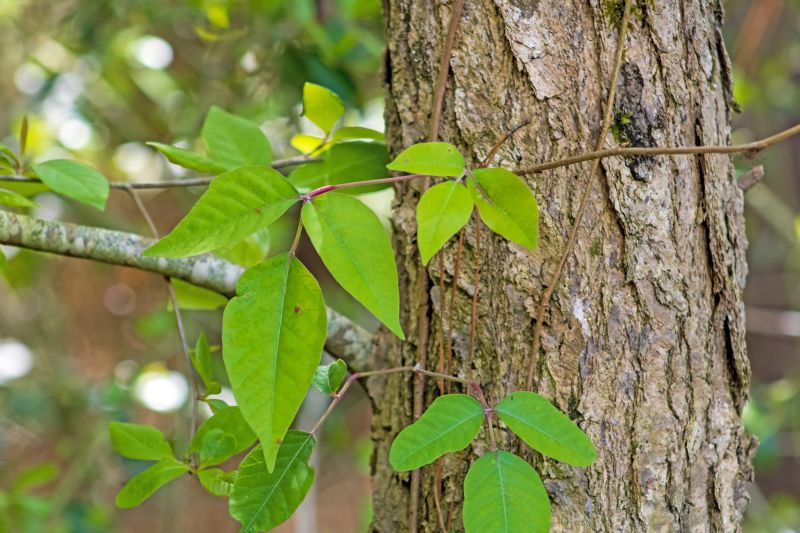
How can property owners identify poison oak? Poison oak has distinctive leaves that resemble oak trees, typically growing as a shrub or vine, and may have clusters of three leaflets.
Request Poison Oak Removal in Lancaster County, PA
Use the quote form on this page to share the basics of your project and request more information for the type of work you need.